info@sandoglo.co.za

Aluminium Shopfronts: Benefits for Retail Spaces
Aluminium shopfronts give retailers durable, low-maintenance storefronts with wide glazing, strong security options and flexible branding.
Key takeaways
- Aluminium shopfronts resist corrosion and hold their finish for decades, which suits high-traffic retail entrances.
- Large glazed aluminium frames let in natural daylight, and daylit retail floors have been linked to sales uplifts of over 40 percent.
- Slim aluminium profiles carry big glass panes, so retailers get open display frontage without heavy framing.
- Aluminium is highly recyclable, and recycling it uses about 95 percent less energy than making new metal.
- Johannesburg retail fit-outs need frames rated for wind load, security glazing and local building standards.
Aluminium shopfronts give retailers a storefront that stays open, bright and secure while needing almost no upkeep. For a South African shop fighting for walk-in trade, that combination of wide glazing, slim framing and weather resistance is why aluminium has become the default choice for commercial facades.
A shopfront is the first thing a customer judges, and it works hard every day. It takes knocks from trolleys, hands and weather, it has to look clean under harsh sun, and it must lock down tight after closing. Aluminium handles all of that without the rust, warping or constant repainting that drag down other materials.
Why retailers choose aluminium shopfronts for durability
Durability is the headline reason a retail shopfront ends up in aluminium. The metal forms its own thin oxide layer on the surface, and that layer blocks the corrosion that eats into steel. A frame can sit through years of rain, dust and sun on a busy street and keep its shape and colour.
That matters in retail because a storefront is exposed on every side. Timber swells and cracks, and untreated steel can rust at the joints where water sits. An aluminium frame avoids both problems, so it keeps carrying heavy glass panes and swinging doors long after cheaper options would need replacing. Compared with steel, it also skips the rust treatment and repainting that commercial frames often demand.
The strength-to-weight ratio helps too. Aluminium is light for its strength, so the framing can stay thin while still holding the structural load of a full-height glass front. A lighter frame is also easier and faster to install, which cuts disruption on the shop floor.
Design flexibility and branding opportunities
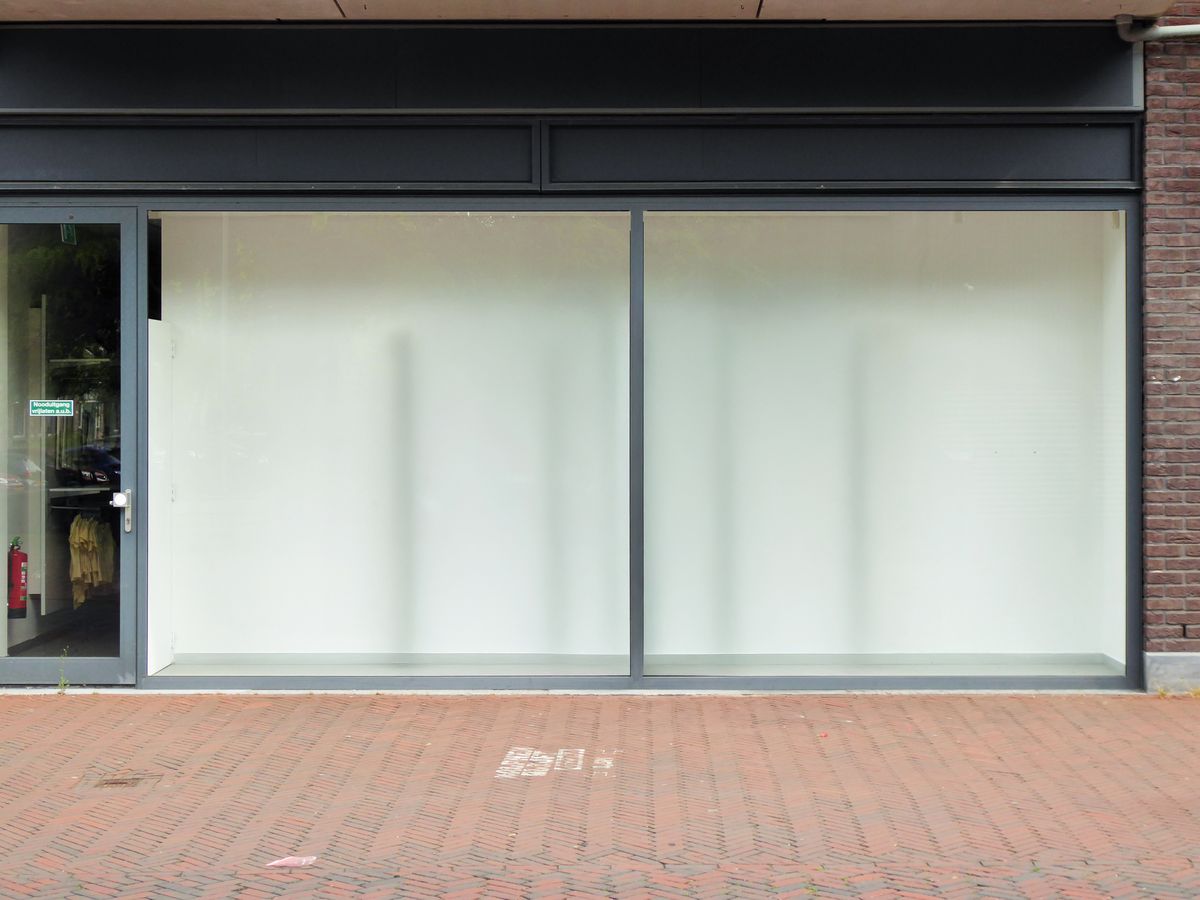
Aluminium is easy to shape and finish, which gives retailers room to build a storefront that matches the brand rather than fighting it. The metal can be extruded into slim, clean profiles, and those profiles carry large panes of glass without bulky mullions getting in the way of the display.
Finish options are wide. Powder coating comes in almost any colour, so a frame can match a brand palette exactly, and anodised finishes give a hard-wearing metallic look. A retailer can run a matte black frame for a premium feel or a bright accent colour to stand out in a strip of shops. The finish is baked on, so it resists fading and scuffing in a way that paint does not.
The large glazed areas are a branding tool in their own right. Clear frontage turns the whole window into a display, and it pulls natural light deep into the store. Research on retail lighting found that daylit stores recorded sales increases of over 40 percent compared with similar spaces lit only by electric light, which makes a generous glass frontage a commercial decision as much as an aesthetic one. FacilitiesNet's summary of the daylighting and retail sales study lays out how natural light tracked with higher spend.
Aluminium systems also take signage, door branding and integrated lighting cleanly, so the storefront can carry the shop's identity without bolt-on clutter.
Security and glazing options for storefronts
A shopfront has to invite people in by day and shut them out at night, and the glazing is where that balance is struck. Aluminium frames are built to hold thick, high-performance glass, so retailers can specify the exact level of protection a site needs.
Common glazing choices for a retail shopfront include:
- Toughened glass, which is far stronger than standard float glass and breaks into blunt granules rather than sharp shards.
- Laminated security glass, which holds together when struck because of an interlayer, so it resists smash-and-grab attempts.
- Double glazing, which adds insulation and cuts outside noise, useful on a loud high street.
On the framing side, aluminium doors take heavy-duty multi-point locks, floor springs and robust hinges that stand up to constant daily use. Many retailers pair the glazed front with roller shutters or security grilles that retract out of sight during trading hours. The frame and the glass work as a system, so the storefront can be open and welcoming in the morning and locked down fast at close.
Low maintenance in high-traffic commercial areas
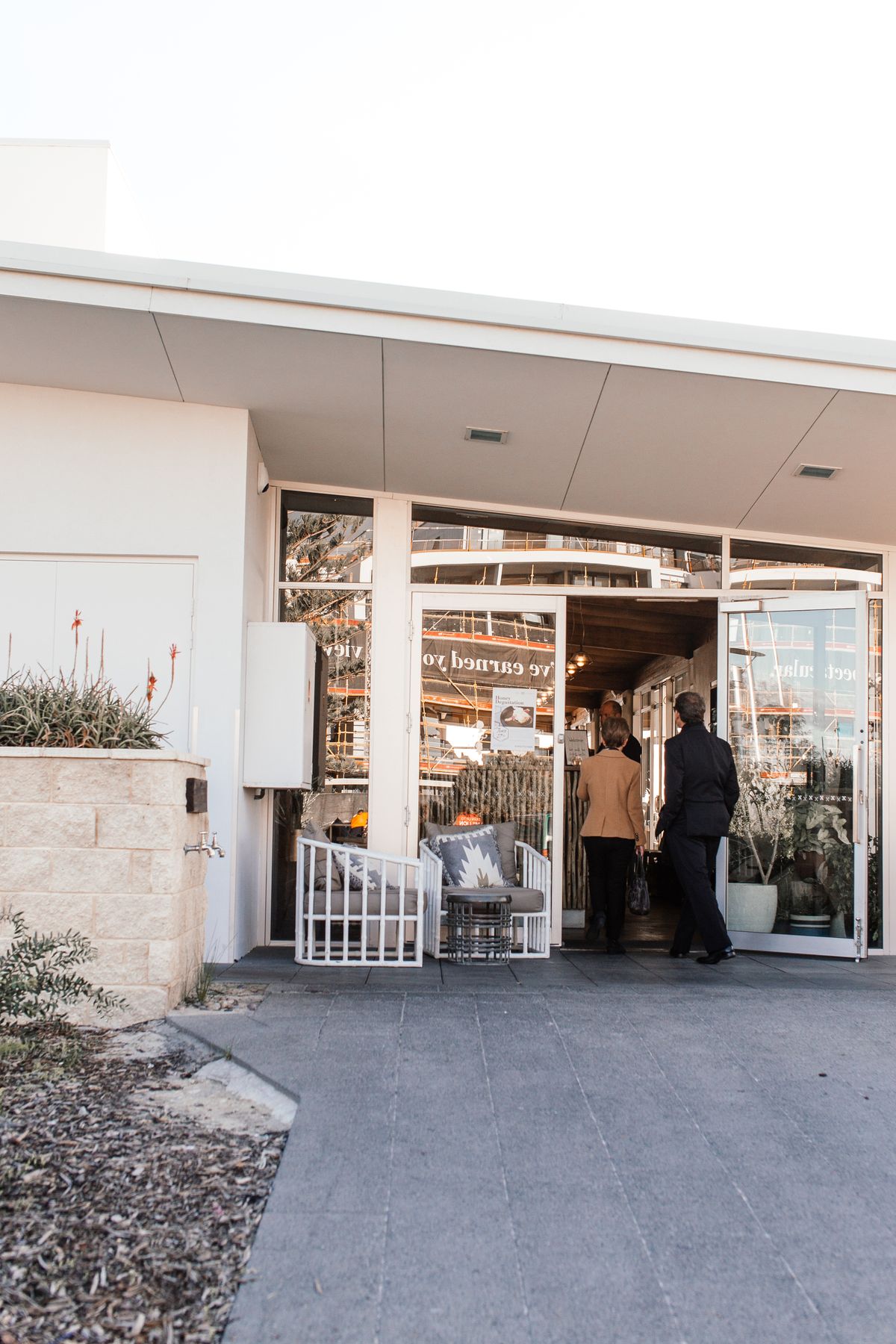
High foot traffic is tough on any entrance, and this is where aluminium quietly earns its keep. The frames do not rust, rot or need repainting, so the running cost after installation is low. For most shopfronts, a regular wipe-down to clear dust and grime is the bulk of the upkeep.
The moving parts need a little attention, but not much. Keeping door tracks, hinges and locks clean and lightly lubricated keeps the entrance swinging smoothly through thousands of openings a week. Hard-wearing powder-coated finishes resist the scuffs and marks that a busy doorway collects, so the frame keeps looking presentable without refinishing.
That low burden frees a retailer to focus on trading rather than repairs, and it fits neatly into a wider building upkeep plan. Many commercial operators fold shopfront checks into a scheduled maintenance routine for the whole site.
There is a sustainability angle as well. Aluminium is highly recyclable, and recycling it uses about 95 percent less energy than producing new metal from ore, according to the International Aluminium Institute. A frame that lasts for decades and can be recycled at the end of its life is an easy win for a retailer tracking environmental impact.
Installation considerations for Johannesburg retail units
Getting the specification right for a Johannesburg retail unit comes down to a few local factors. The city's summer storms bring strong gusts and heavy rain, so the frame and its fixings should be rated for the wind loads on the site, especially for taller frontages and exposed corner units.
A few points worth settling before installation:
- Compliance. Glazing in commercial buildings must meet South African building standards, so confirm the glass type and installation satisfy the relevant glazing and safety requirements.
- Security grade. Match the glass and locking to the area and the stock on display. A jewellery unit needs more than a clothing store.
- Thermal performance. Johannesburg's bright sun pushes up cooling costs, so solar-control or double glazing helps keep the shop comfortable and energy bills down.
- Access and fit-out timing. In a mall or a strip, work around trading hours and the rules of the landlord or centre management.
Choosing the right supplier ties all of this together, because the quality of the extrusion, the glass and the fitting decides how the shopfront performs over its life. Our guide on how to choose an aluminium windows supplier applies just as well to shopfront work. Sandoglo supplies and fits aluminium products for commercial sites across Johannesburg, and the same team can keep the storefront maintained once it is in.
If you are planning a new retail fit-out or replacing a tired frontage, start by measuring the opening and listing the security, glazing and branding requirements your unit actually needs. With that brief in hand, you can get an accurate quote and a shopfront that works from opening day.
Frequently asked questions
What is an aluminium shopfront?
It is a retail storefront built from aluminium framing that holds glass panels, doors and display windows. The frame carries the glazing while staying slim and corrosion resistant.
Are aluminium shopfronts secure enough for retail?
Yes. Aluminium frames pair with laminated or toughened security glass and heavy-duty locking, so they meet the demands of busy high streets and shopping centres.
How long do aluminium shopfronts last?
With basic cleaning, an aluminium shopfront typically lasts for decades because the metal forms a natural oxide layer that resists rust and weathering.
Do aluminium shopfronts need much maintenance?
Very little. Wiping the frames and keeping door hinges and tracks clean is usually enough, which is why they work well in high-traffic commercial areas.